
Why Gen Z Loves Virtual Try-Ons
Why Gen Z Loves Virtual Try‑Ons | Gen Z Try‑On Trends

Virtual try‑on technology has swiftly evolved from a novelty to a must‑have feature in modern e‑commerce, driven chiefly by the tastes and expectations of Gen Z consumers. As digital natives, members of Gen Z grew up immersed in smartphones and social media platforms. They demand shopping experiences that are instant, interactive, and reflect their personal identities. Enter Gen Z try‑on trends, a set of behaviors and preferences that favor augmented reality (AR) tools over traditional fitting rooms and photo galleries. By adopting virtual try‑ons, brands can cater directly to Gen Z’s desire for authenticity, engagement, and sustainability.
In this blog, we’ll unpack the core drivers behind these trends and illustrate how retailers can align their strategies to win Gen Z loyalty. You’ll learn why personalization, convenience, social sharing, sustainability, and emotional engagement are not just buzzwords but essential pillars of Gen Z try‑on trends. We’ll explore real‑world examples from leading brands, highlight market projections, and share expert insights that shed light on the future of digital fitting experiences. Whether you’re a fashion retailer, beauty brand, or tech innovator, understanding these shifts will help you craft AR experiences that resonate deeply with Gen Z shoppers.
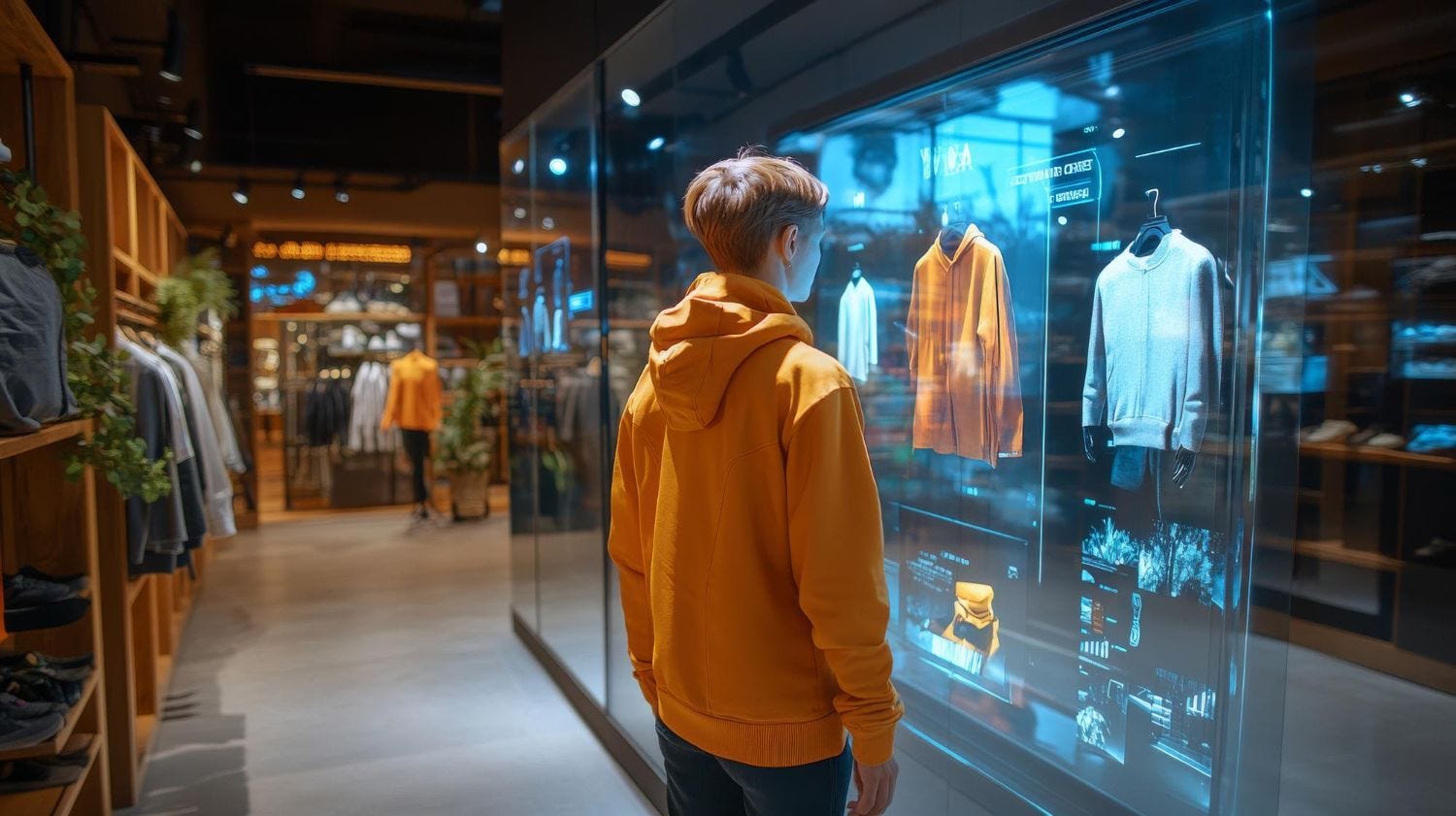
Personalization & Self‑Expression
Gen Z consumers place a high premium on self‑expression and authenticity. Unlike previous generations, they view shopping not merely as a transactional activity but as an extension of their personal brand. Virtual try‑on platforms address this need head‑on by delivering highly tailored experiences. When a Gen Z shopper uses an AR filter to experiment with bold lipstick shades or avant‑garde eyewear frames, they’re engaging in a process that feels uniquely their own—far removed from one‑size‑fits‑all product images.
First, virtual try‑on tools that integrate facial recognition and body‑scanning technologies allow users to see products mapped onto their exact features. This realistic preview gives Gen Z the confidence to make bold style choices, fostering a sense of empowerment. In practice, a cosmetics brand might allow customers to test dozens of foundation tones against their skin in seconds, while a footwear label could offer dynamic 360‑degree views of sneakers on a digital avatar. These hyper‑personalized interactions align perfectly with Gen Z try‑on trends, which prize individuality above all.
Second, the freedom to mix and match products without any risk amplifies Gen Z’s creative instincts. Users can swap eyewear shapes, hair colors, or clothing prints with a few taps, quickly iterating through endless combinations until they find “the look” that resonates with their mood. This iterative discovery process mirrors the trial‑and‑error of in‑store shopping but surpasses it in speed and variety. As a result, brands that adopt virtual try‑on tools not only boost engagement but also foster deeper connections with Gen Z audiences by supporting their quest for self‑expression.
Convenience Meets Technology
Convenience is non‑negotiable for Gen Z, who operate on fast‑paced digital timelines. Virtual try‑on solutions cater to this preference by collapsing the boundaries between browsing, fitting, and purchasing. No longer must a Gen Z shopper visit multiple brick‑and‑mortar stores or wait for package deliveries to assess fit and style. Instead, they can point their smartphone camera at their face or a 3D body scan and instantly visualize products in real time.
The elimination of physical store visits and cumbersome returns resonates strongly with Gen Z’s lifestyle. For example, eyewear brands like Warby Parker and Ray‑Ban pioneered mobile AR applications that let users try on glasses virtually. These experiences reduce friction, enabling shoppers to make informed choices without leaving their homes. A Gen Z consumer trying on frames via AR can compare dozens of styles in under a minute, dramatically cutting decision time and boosting satisfaction.
Moreover, the real‑time feedback loop built into virtual try‑ons speeds up purchase decisions. When users see how a product looks on them in immersive detail, they gain confidence that the item will meet their expectations. This immediate validation drives higher conversion rates and lowers cart abandonment, embodying the essence of Gen Z try‑on trends: frictionless, technology‑driven shopping that keeps pace with Gen Z’s digital fluency.
Social Commerce & Shareability
Social media is the beating heart of Gen Z culture. Platforms like TikTok, Instagram, and Snapchat shape how this generation discovers trends, evaluates products, and shares experiences. Virtual try‑on tools seamlessly integrate with social channels, enabling users to capture, customize, and broadcast their digital fittings to friends and followers. This shareability transforms shopping into a communal activity, fueling virality and peer endorsement.
Glance taps directly into this cultural momentum by blending cutting-edge AR styling with real-time social relevance. Its immersive visual drops are crafted to align with Gen Z’s aesthetic sensibilities and lifestyle-driven content habits. For brands looking to stay ahead of Gen Z try-on trends, Glance offers a dynamic platform that’s both trend-forward and culturally resonant.
For a taste of culturally relevant, cutting-edge AR styling, explore Glance’s immersive visual drops.
Sustainability & Reduced Waste
As advocates for environmental responsibility, Gen Z shoppers gravitate toward brands that prioritize sustainable practices. By minimizing the need for physical samples and enabling customers to preview products accurately, AR fittings help cut down on returns and overproduction—two major contributors to carbon emissions and landfill waste.
Virtual try‑ons diminish return rates by up to 20%, according to industry data, because customers make more informed purchase decisions when they can see precise fit and color on their own digital models. This aligns directly with Gen Z try‑on trends, which favor experiences that are as kind to the planet as they are engaging for the user.
Additionally, brands can leverage virtual showrooms to debut collections digitally before committing to full manufacturing runs. This approach allows designers to gauge consumer interest through AR engagement metrics and social interactions, pivoting their production plans based on real demand. The result is a leaner, more sustainable supply chain that resonates with eco‑conscious Gen Z consumers and strengthens brand loyalty by demonstrating genuine commitment to reducing environmental impact.
Emotional Engagement & Brand Loyalty
Beyond the practical benefits of convenience and sustainability, virtual try‑on technology fosters emotional connections that drive long‑term brand loyalty. For Gen Z, shopping is as much about the experience as it is about the product. Immersive AR fittings engage multiple senses—visual, interactive, and social—creating memorable moments that transcend traditional e‑commerce interactions.
When a user sees themselves rocking a new lipstick shade or styling a bold pair of sneakers through AR, they experience a sense of discovery and delight. This emotional engagement boosts purchase intent: studies indicate that AR‑enhanced shopping can increase conversion rates by up to 30%. As users invest time and creativity into their virtual fittings, they develop a personal attachment to both the product and the brand facilitating the experience.
Key Statistics & Market Projections
Market Size Growth: The global virtual try‑on market reached $12.5 billion in 2024 and is projected to grow to $48.8 billion by 2030, fueled largely by Gen Z adoption.
Return Reduction: Brands implementing AR try‑ons report up to a 20% decrease in product returns, aligning with sustainability goals and cost savings.
Adoption Drivers: Personalization, realism, and eco‑friendly practices rank as the top factors influencing Gen Z’s investment in virtual try‑on experiences.
Engagement Metrics: AR try‑on features can boost on‑site dwell time by up to 50%, translating into higher cart values and increased cross‑sell opportunities.
These figures underscore how Gen Z try‑on trends are not only reshaping consumer expectations but also delivering measurable business results that justify continued investment in AR technologies.
Real‑World Examples
Brand
Feature
Gen Z Appeal
Warby Parker
AR glasses try‑on via mobile app
Fun, personalized, shareable
Ray‑Ban
Virtual sunglasses previews
Instant confidence boost, fewer returns
Sephora
Virtual makeup overlays in AR
Experimentation, social sharing, realism
Nike
AR shoe fitting and style mix
Interactive customization, style exploration
Expert Commentary
“Virtual try‑on technology bridges the gap between digital convenience and emotional engagement, offering Gen Z an immersive shopping journey that feels both authentic and sustainable.”
– Fashion Technology Analyst
Industry experts agree that the convergence of AR, personalization, and social commerce will continue to define Gen Z try‑on trends. As AI-driven models become more sophisticated and AR hardware more accessible, the line between virtual and physical shopping experiences will blur further, setting new standards for engagement and loyalty.
Conclusion
The ascendancy of virtual try‑on technology illustrates a fundamental shift in retail dynamics, with Gen Z at the helm of this transformation. Gen Z try‑on trends—including personalization, convenience, social shareability, sustainability, and emotional engagement—are guiding brands toward immersive, meaningful interactions that go beyond mere transactions.
Retailers that embrace these trends position themselves to capture the loyalty of a generation that values authenticity, innovation, and environmental stewardship. By integrating AR try‑on features into mobile apps, social platforms, and digital showrooms, brands can create seamless experiences that reflect Gen Z’s digital‑first mindset. As the market for virtual try‑ons continues its rapid expansion, those who prioritize Gen Z try‑on trends will not only drive sales and reduce waste but also shape the future of fashion and beauty retail.